(The Turkish Post) – Europe has recorded its worst West Nile virus season on record, with 1,855 locally acquired human infections and 141 deaths reported in 18 countries this year, the European Centre for Disease Prevention and Control (ECDC) and the European Food Safety Authority (EFSA) said on Oct. 15.
The figures, covering cases reported up to Oct. 7, also show the virus spreading further north. Belgium reported its first locally acquired human infections, and the Netherlands recorded 59 cases, the ECDC said.
West Nile virus cases reach record in EU
In the European Union and the wider European Economic Area, 13 countries reported 1,715 locally acquired human cases, the highest number ever recorded, according to the joint monthly surveillance report. The average for the same period over the past decade was 693 cases.
The 130 deaths reported in EU and EEA countries were in Italy (56), Greece (46), the Netherlands (10), Romania (7), Spain (6), France (3), Croatia (1) and Hungary (1).
Italy remained the most affected country, with 748 cases. Greece reported 445 cases and France 144, both their highest numbers ever. Spain reported 139 cases and Romania 117.
A further 140 locally acquired cases and 11 deaths were reported by EU candidate countries. North Macedonia reported 70 cases and 10 deaths, an unprecedented number for a country that had recorded no more than five human infections a year over the past decade. Serbia reported 57 cases.
“In 2026, WNV has reached record levels in Europe, with the number of human cases and animal outbreaks surpassing historical records,” said Giusi Amore, a scientific officer in EFSA’s biological hazards and animal health and welfare unit.
Virus spreads north, ECDC says
Locally acquired human cases were reported in 187 regions across 13 EU and EEA countries. The report called 2026 the most geographically widespread West Nile virus season on record.
Belgium reported 15 human cases, the first locally acquired human infections in the country, with no deaths. The virus was first detected in Belgium in 2025 in birds.
The Netherlands reported 59 human cases, including 10 deaths. It had recorded its first human cases in 2020, when eight people were infected.
“West Nile virus is a clear example of why a cross-sector approach is essential,” said Céline Gossner, a senior expert at the ECDC. “The virus circulates between mosquitoes and birds and can cause disease in people and horses, so no single sector can address the risk alone.”
The ECDC said the spread to Belgium and the Netherlands shows the virus is now circulating further north, a trend it expects to continue in the coming years.
Mosquito season brings record animal outbreaks
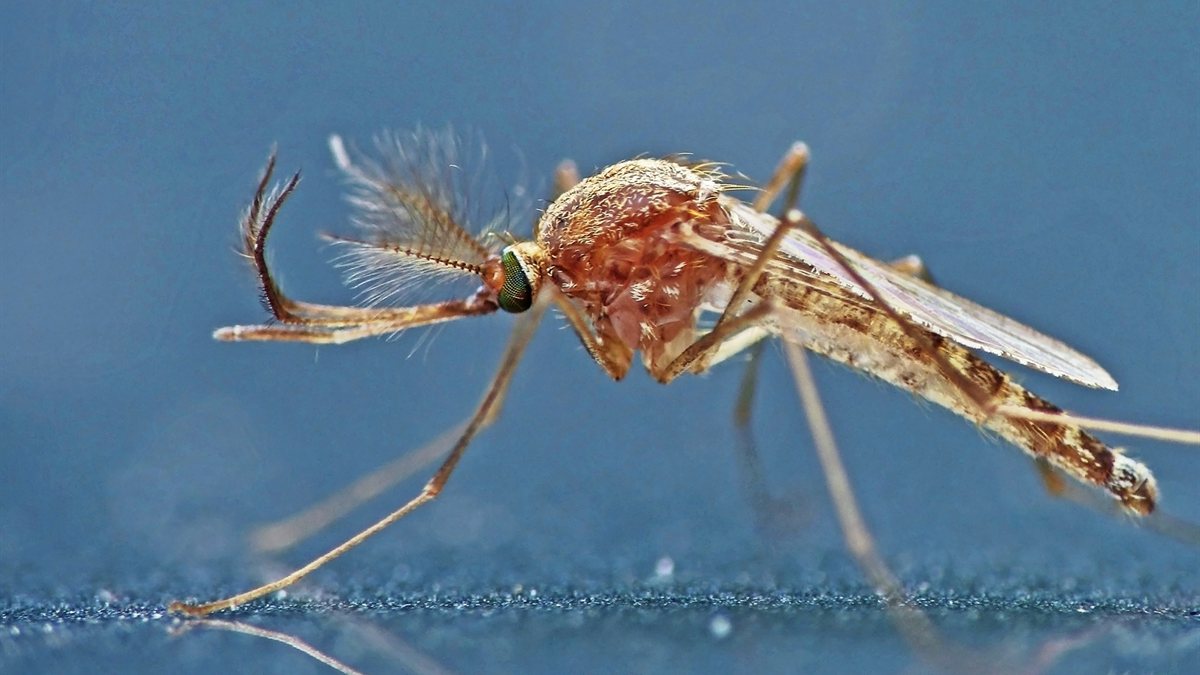
West Nile virus is spread mainly by mosquitoes. Fifteen European countries reported 511 outbreaks among horses and other equids and 595 among birds this year, according to EFSA and the ECDC. France reported 307 outbreaks in equids, its highest number ever.
Human infections peaked at the end of August, and outbreaks in birds and horses peaked in early September, followed by a marked decline. The agencies said low-level transmission may continue in the coming weeks and more cases are still expected.
No sign of more severe disease
Despite the record number of cases, the ECDC said there was no indication that the disease had become more severe. Of the cases reported in the EU and EEA, 77% were hospitalized and 57% had neurological symptoms, compared with 10-year averages of 84% and 62%. The case fatality rate was about 8%, below the 10-year average of 10%.
Most infections cause no symptoms, so reported cases represent only a fraction of the true number, the report said. Most reported cases were in men aged 65 and older.
“Earlier detection, greater awareness and effective mosquito control can help us reduce the impact of the virus as it spreads to new areas,” said Ole Heuer, a head of unit at the ECDC.
The ECDC advised people in affected areas to use mosquito repellent, wear loose long clothing in the evening and at night, and use window screens, mosquito nets or air conditioning. It said protection is particularly important for older adults and people with weak immune systems.