(The Turkish Post) – The China economy grew 4.5% in the third quarter of 2026 from a year earlier, the National Bureau of Statistics said on Oct. 19, a faster pace than the previous quarter and slightly above what economists had forecast before the release.
The figure, up from 4.3% in the second quarter, topped the median estimate of about 4.4% in a survey of economists. Output across the first three quarters expanded 4.6% from the same period a year earlier, keeping full-year growth on track to reach the government’s target of between 4.5% and 5%.
China economy beats market forecasts
The third-quarter result gives Beijing room to meet its annual goal without a fresh round of large-scale stimulus. Officials set the target of about 5% at the start of the year, and the China economy has stayed close to that line through 2026 even as parts of the domestic sector weakened.
The pickup from the second quarter was driven mainly by trade rather than spending at home. That split has shaped the China economy for much of the year, with factories busy filling foreign orders while households turned cautious.
Exports drive the gains
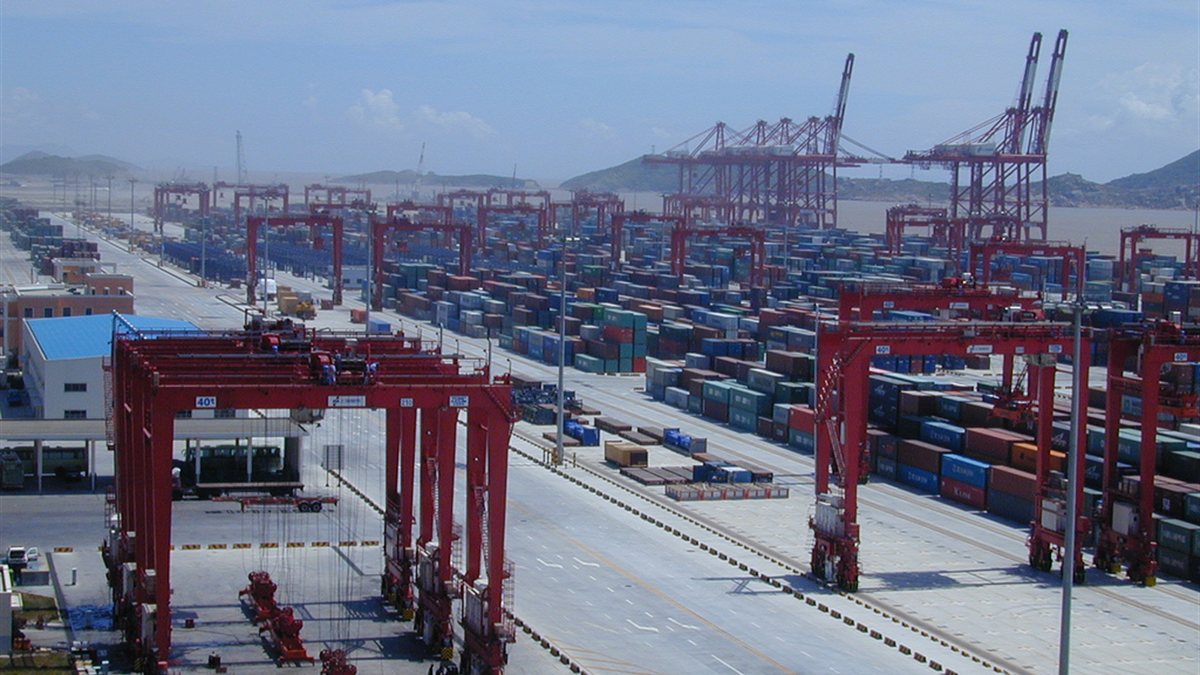
Exports were the main engine behind the quarter. A worldwide surge in demand for artificial intelligence hardware and the components that support it lifted Chinese shipments abroad through the summer months. Makers of servers, electronics and related equipment reported steady foreign orders.
The country’s trade surplus for January through September reached about $938.11 billion, customs data showed, putting it on course for a record annual surplus. Shipments to Southeast Asia and other emerging markets helped offset slower sales to the United States.
The strength in trade has become the clearest support for the economy this year. Global spending on data centers and AI systems has driven orders for Chinese electronics, cables and power equipment. Chinese exporters have also widened their lead in electric vehicles, batteries and solar panels, selling into markets across Asia, the Middle East and Latin America.
Weak demand at home
Conditions inside the country were softer. Industrial production rose 5.5% in September from a year earlier, but retail sales, a measure of consumer spending, climbed only 1.1%. Fixed-asset investment fell 7.2% over the first nine months, held down by a long downturn in the property market.
“Insufficient domestic demand remains prominent,” the statistics bureau said, pointing to the distance between strong factory output and wary consumers. Home prices have kept falling in most cities, and many families have delayed big purchases.
The property market remains the main drag. A downturn that began in 2021 has cut construction activity, reduced the land sales that once funded local governments, and left developers struggling to finish apartments. Because most household savings in the country are tied to homes, the slump has eaten into family wealth.
GDP growth and the policy response
The third-quarter reading keeps annual GDP growth within reach of the official goal and eases pressure for immediate new measures. Beijing has relied on exports and state-backed investment in manufacturing to steady the China economy while consumption lagged.
The central bank has cut interest rates and lowered the amount of cash banks must hold in reserve over the past year to support lending. Local governments have been given more room to borrow, and officials have promised further steps to stabilize housing.
Authorities have also rolled out trade-in subsidies for cars and home appliances to lift spending, with limited results so far. Trade frictions with the United States and the European Union have added uncertainty to the export outlook for the months ahead.
The statistics bureau is due to publish full-year figures in January, which will show whether the China economy met its 2026 target.